
Why Brise-Glace?
Boys' silence
At Tel-jeunes, only 20% of contacts come from boys. They rarely talk about their emotions and often stay on the sidelines of mental health conversations.

Sport as a lever
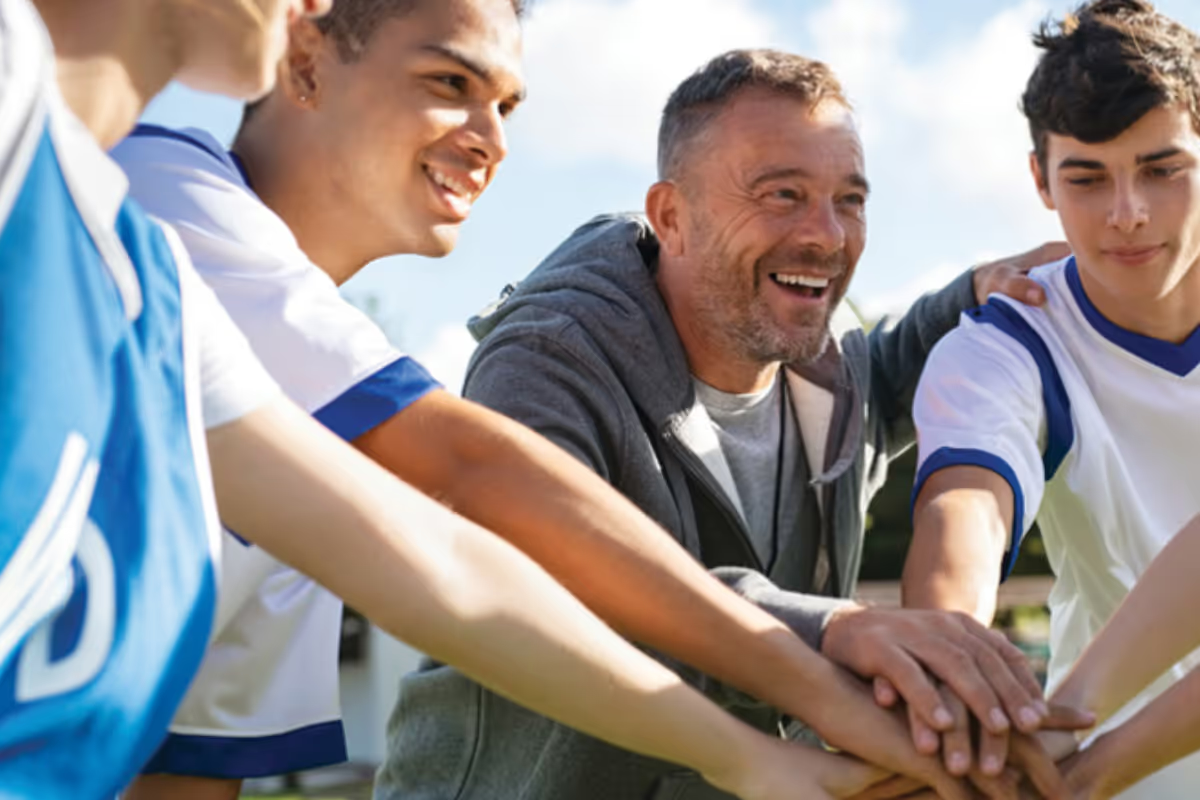
Tel-jeunes’ youth committee identified sports environments as a key space to encourage help-seeking among boys.
Performance pressure
The pace of sport-study programs, adult expectations, and competition between teammates increase barriers to asking for help.
Tools built around teen athlete wellness
The foundations
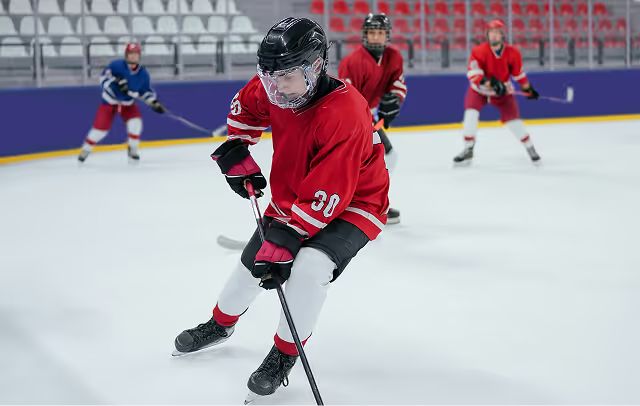
Developed through over 120 days of observation with hockey players (U13, U15, U18), coaches, and parents, this strategy emerged from four key questions:
- How can we reach boys who don’t seek out Tel-jeunes on their own?
- How can we equip coaches to become trusted adults?
- How can we overcome barriers to asking for help?
- How can we act effectively in high-performance environments?
Shifting mindsets for lasting change
Brise-Glace’s objectives within school sports are to:
- Normalize help-seeking and shift the perception of vulnerability.
- Reduce mental health stereotypes.
- Equip adults around teens to become active allies.
- Build a safety net for young athletes.
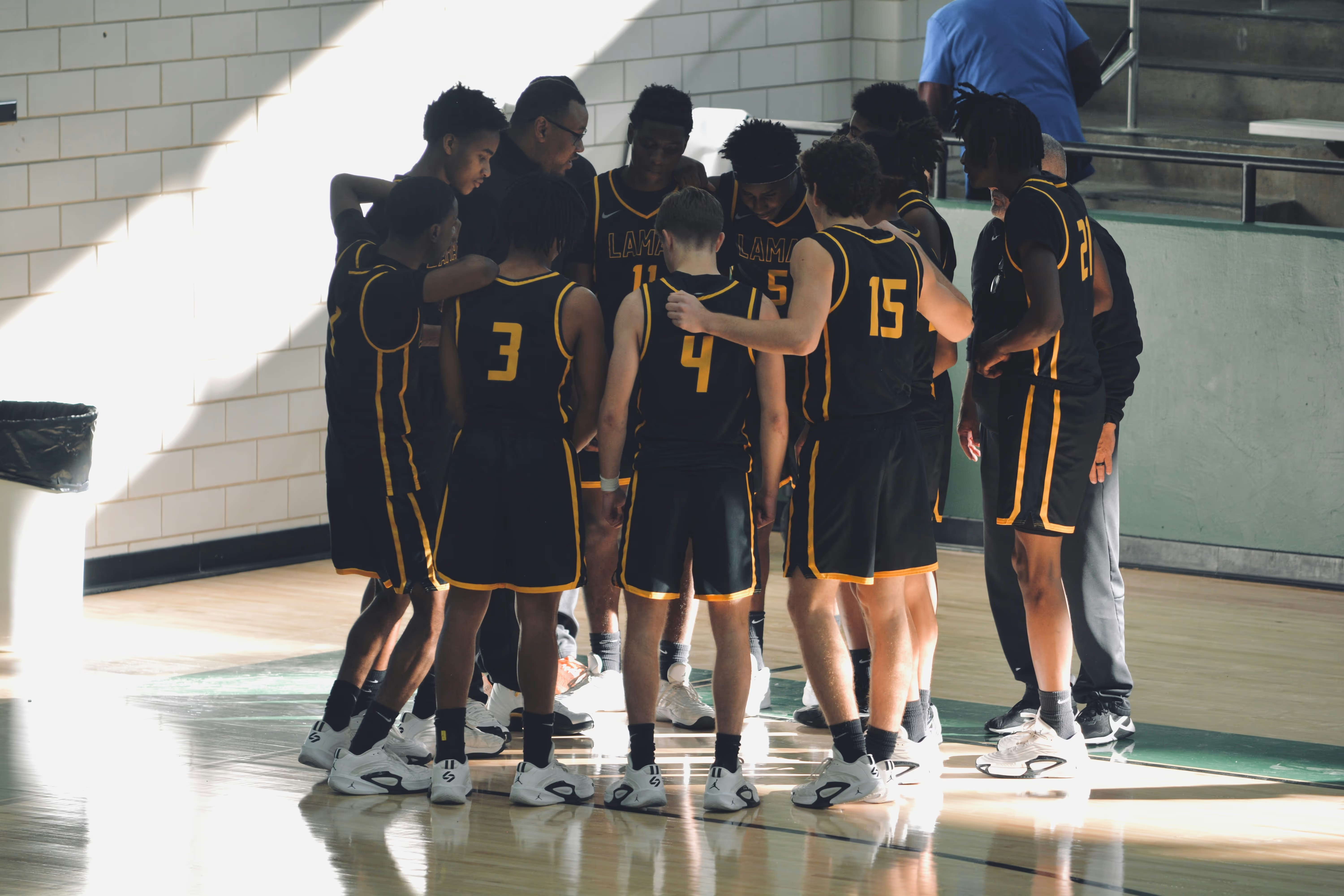
3 Key pillars
Pillar 1: breaking taboos
When vulnerability is seen as a weakness, asking for help becomes difficult. Brise-Glace works to demystify mental health for teens while equipping coaches and parents. Goal: reduce stereotypes, shift perceptions, and encourage help-seeking.

Pillar 2: mobilizing adults around the teen
Equip coaches, parents, and school staff to recognize signs of distress, respond to disclosures, and intervene appropriately. They become essential partners in supporting the teen.
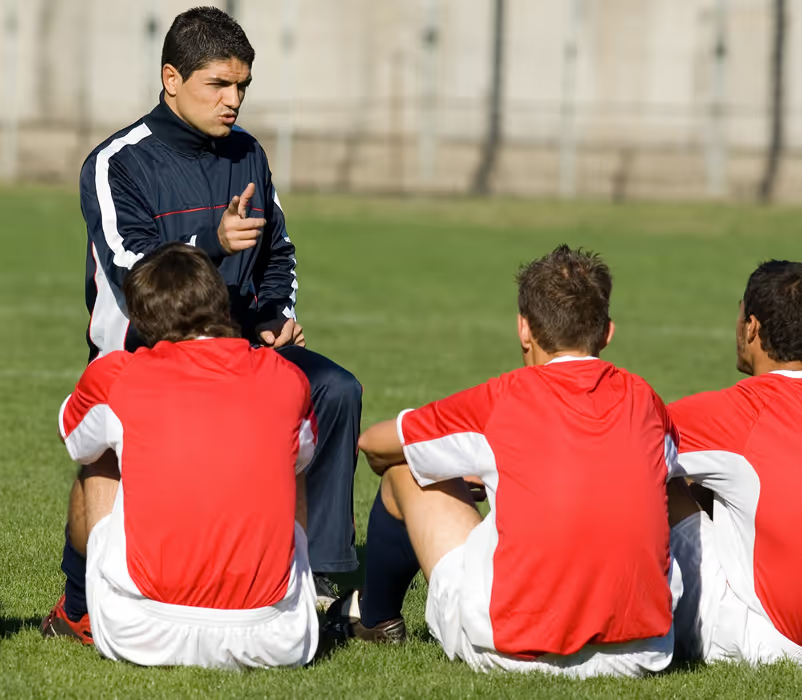
Pillar 3: embedding in environments for lasting impact
Through its partnership with the RSEQ, Brise-Glace is integrated into schools to build a safety net around student-athletes. Teens learn to recognize distress, debunk mental health myths, and view their coaches as trusted adults.
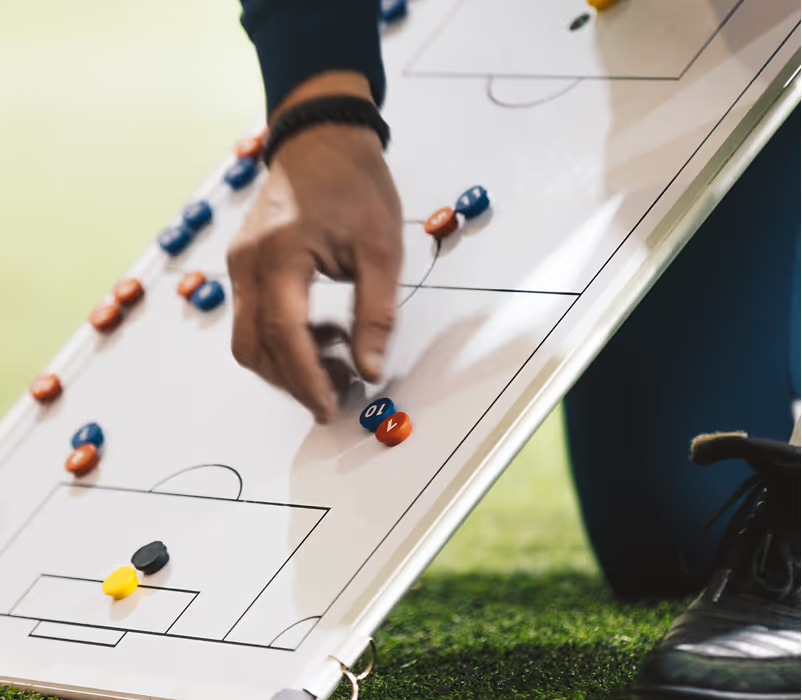


Why integrate Brise-Glace in your environment?
To put the teen before the athlete — recognizing their real experiences.
To value the human side of sport without compromising performance.
Because a teen who feels seen, heard, and supported will perform better and healthier.
Because adults can become powerful allies in their overall development.
Because the program is built with teens, for teens.
To provide schools and sports environments with structured, concrete, and tailored support.
Our partners
In collaboration with

With the support of